Education
Keeping Kids Safe Around Water: Essential Summer Water Safety Tips for Parents
Always Stay Within Arm's Reach
Young children should always be within arm's reach of a responsible adult when they are in or near water. Designate one adult as the "Water Watcher" whose only responsibility is supervising children without distractions like phones, reading, or conversations.
Choose Life Jackets Over Floaties
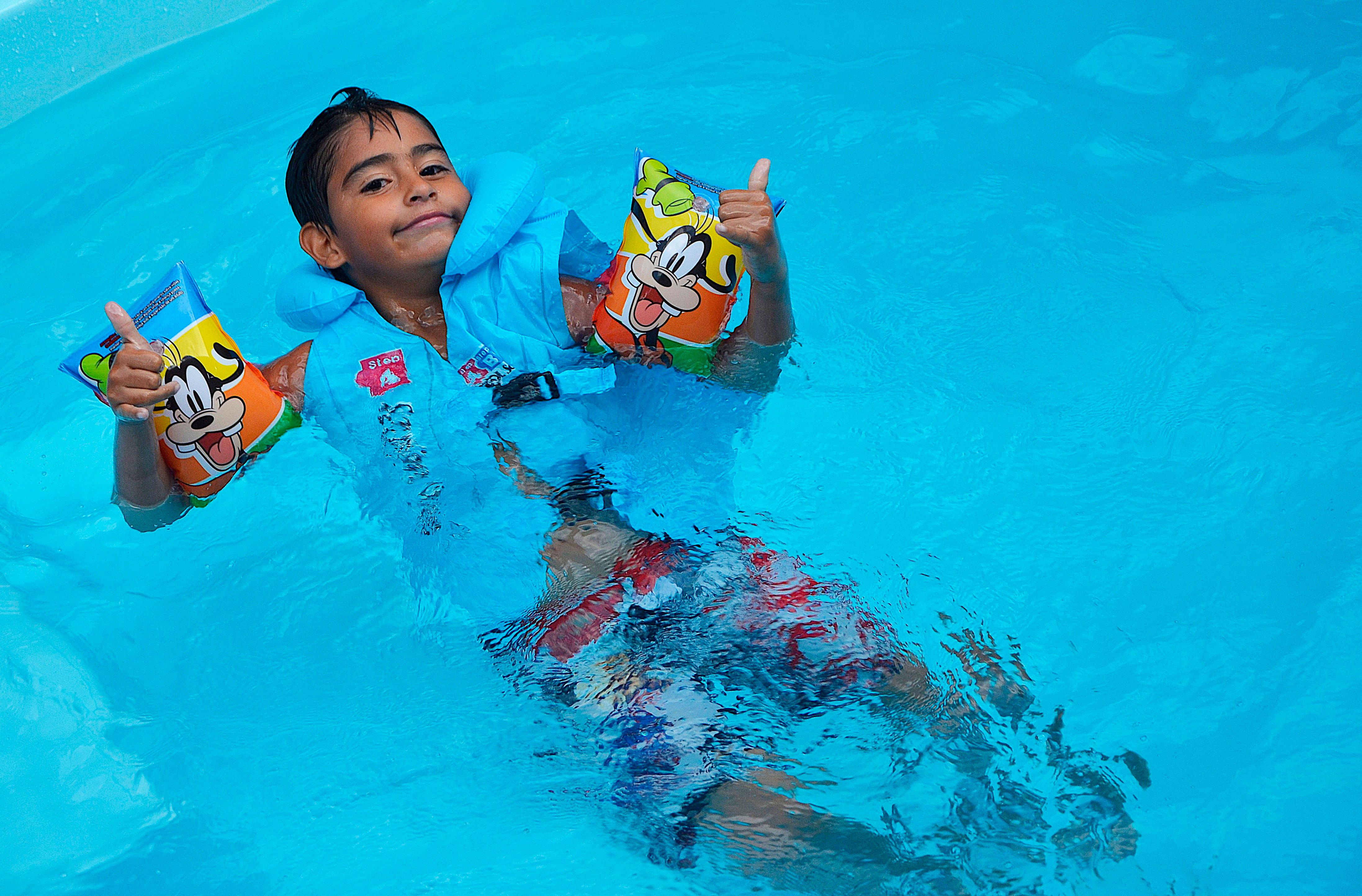
If your family is boating or spending time in open water, children should wear a properly fitted U.S. Coast Guard-approved life jacket. Water wings, inflatable rings, and other pool toys are fun but should never be relied upon as safety devices.
Enroll Children in Swim Lessons
Swimming lessons can help children gain confidence and develop important water skills. While lessons can reduce the risk of drowning, they are not a substitute for close adult supervision.
Make Your Home Pool Safer
If you have a backyard pool, take these important precautions:
- Install a four-sided fence with a self-closing, self-latching gate.
- Keep rescue equipment and a phone nearby.
- Remove toys from the pool after swimming to discourage children from entering the water unsupervised.
- Empty small inflatable or kiddie pools immediately after each use.
Learn CPR
Parents, grandparents, babysitters, and caregivers are encouraged to become CPR certified. Knowing how to respond in an emergency can save a life while waiting for first responders to arrive.
Protect Children from Heat and Sun
Water activities often mean long hours outdoors. Help keep your child safe by:
- Encouraging frequent water breaks to prevent dehydration.
- Applying a broad-spectrum sunscreen with SPF 30 or higher about 15 minutes before going outside and reapplying every two hours—or more often after swimming or sweating.
- Wearing hats, sunglasses, and protective clothing when possible.
- Taking breaks in the shade, especially during the hottest part of the day.
Know When to Seek Medical Care
Even if your child seems fine after a water incident, seek immediate medical attention if they experience:
- Difficulty breathing or persistent coughing
- Wheezing
- Extreme sleepiness or unusual fatigue
- Vomiting after being submerged
- Loss of consciousness or confusion
Prompt evaluation is important anytime a child has trouble breathing after a water-related event.
Enjoy a Safe Summer
With close supervision, proper safety equipment, and a few simple precautions, families can enjoy all the fun that summer has to offer while helping keep children safe around water.
If you have questions about water safety, swimming readiness, or your child's overall health, our pediatric team is here to help. We wish all of our families a fun, healthy, and safe summer!
-North Shore Pediatrics