Education
Spring Allergies in Kids: What’s Normal, What’s Not, and How to Help
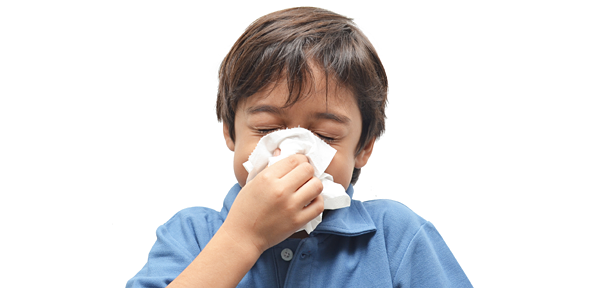
As the weather warms up, so does allergy season. If your child has been sneezing, rubbing their eyes, or waking up congested, you’re not alone—seasonal allergies are one of the most common reasons kids feel “off” this time of year.
It can be tricky to tell the difference. Here’s a quick guide:
More likely allergies:
- Clear runny nose
- Sneezing fits
- Itchy, watery eyes
- No fever
- Symptoms last weeks
More likely a cold:
- Thick yellow/green mucus
- Fever
- Body aches
- Symptoms improve within 7–10 days
Common Signs of Allergies in Kids
- Constant nose rubbing (“allergic salute”)
- Dark circles under the eyes
- Mouth breathing or snoring
- Complaints of itchy throat or ears
Simple ways to help at home:
You don’t have to keep kids indoors to manage symptoms:
- Wash hands and face after outdoor play
- Change clothes after being outside
- Shower before bed to remove pollen
- Keep windows closed on high pollen days
- Use air conditioning or air purifiers if possible
Do Kids Need Allergy Medicine?
Sometimes—especially if symptoms are affecting sleep, school, or daily life.
Common options include:
- Antihistamines (for sneezing, itching, runny nose)
- Nasal sprays (for congestion and inflammation)
⚠️ Not all medications are right for every age—always check with us first before starting something new.
When to Call Us
Reach out if:
- Symptoms aren’t improving with basic care
- Your child has persistent cough or wheezing
- Sleep is being disrupted
- You’re not sure if it’s allergies or something else
Quick Reassurance for Parents
Allergies can be frustrating, but they’re very manageable once you know what you’re dealing with. The goal isn’t to avoid the outdoors—it’s to help your child enjoy it comfortably.
We’re Here to Help
Not sure what your child is dealing with?
📞 Call us—we can help you figure out if it’s allergies, a cold, or something else and guide you on the best next steps.