Education
Bug Bites vs. Tick Bites: How to Tell the Difference (and What to Do at Home)

As the weather warms up, kids are spending more time outside—and that means more bug bites and tick exposures. We get a lot of questions this time of year about what’s normal, what’s not, and what needs medical attention.
Here’s a simple guide to help you feel confident managing bites at home—and knowing when to call us.
🦟 Bug Bites: What’s Normal?
Most common bug bites (mosquitoes, ants, flies) can cause:
- Small, raised bumps
- Redness
- Itching
- Mild swelling (sometimes larger in younger kids)
👉 Totally normal:
Some children have bigger reactions—this can look dramatic but is still harmless.
✔️ What You Can Do at Home:
- Apply a cool compress
- Use over-the-counter hydrocortisone cream
- Give an antihistamine (like cetirizine) if needed for itching
- Avoid scratching (we know… easier said than done!)
🕷️ Tick Bites: What Makes Them Different?
Ticks attach to the skin and stay there while feeding. In Massachusetts, we are especially cautious about deer ticks, which can carry Lyme disease.
🔍 How to Spot a Tick:
- Small dark or brown bug attached to skin
- May look like a tiny speck or freckle
- Often found in: scalp, behind ears, armpits, groin, behind knees
⚠️ Important: Tick Removal Is Done at Home
At our office, we do not remove ticks in the office setting.
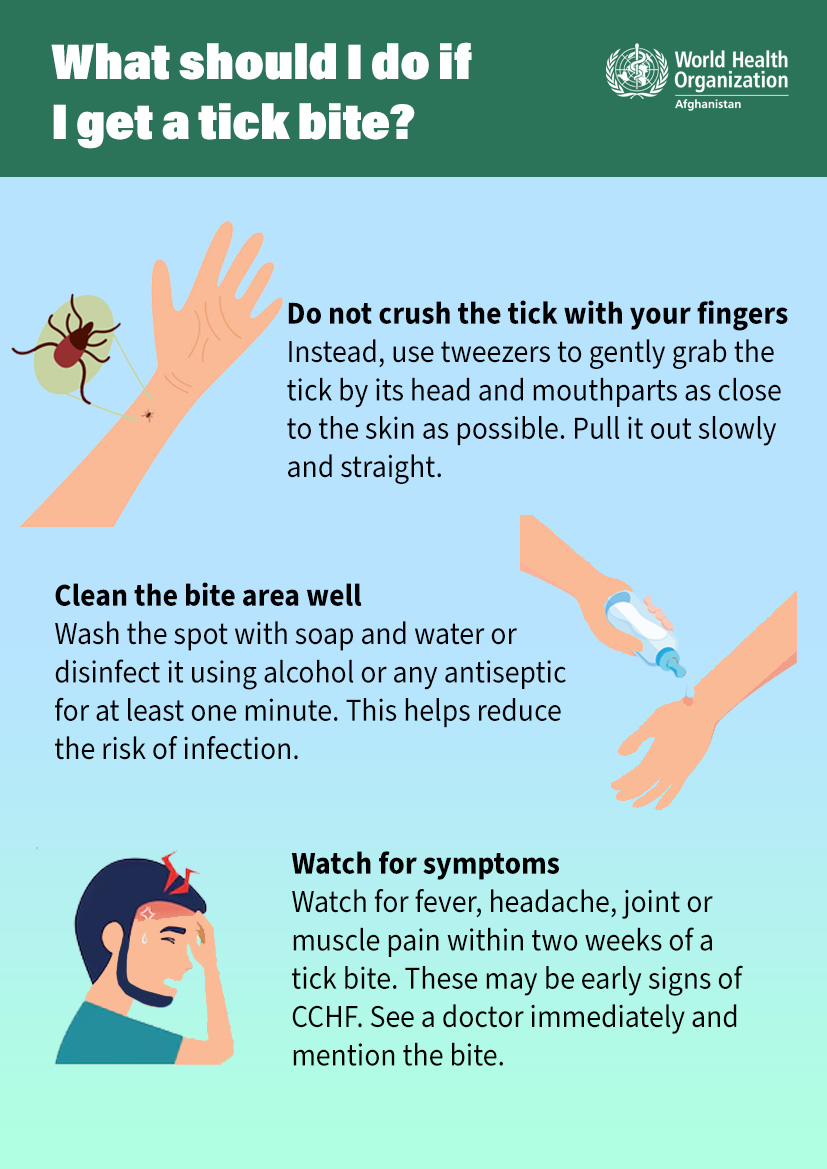
Instead, we guide families on how to safely remove them at home right away—this is the best and fastest approach.
- Use fine-tipped tweezers
- Grasp the tick as close to the skin as possible
- Pull upward with steady, even pressure
- Do NOT twist or jerk
- Once removed, clean the area with:
- Soap and water or
- Rubbing alcohol
- Dispose of the tick (or save in a bag if you want identification)
🚫 Do NOT:
- Use petroleum jelly
- Burn the tick
- Try to “suffocate” it
These methods do NOT work and can increase risk.
🦠 If It’s a Deer Tick: What We Recommend
Deer ticks are:
- Very small (about the size of a poppy seed when young)
- Dark brown or black
👉 If you believe it was a deer tick:
- Remove it as soon as possible
- Note how long it may have been attached (risk increases after ~36 hours)
- Monitor the area over the next few weeks
👀 Watch for:
- A spreading rash (especially a bullseye pattern)
- Fever
- Fatigue
- Joint pain
If any of these develop, call our office right away.
🚨 When to Call Us
Please reach out if:
- You’re unsure if it was a tick
- You’re unable to remove it
- Part of the tick remains in the skin
- A rash or symptoms develop after a bite
- The area becomes very red, warm, or painful
💡 Quick Takeaway for Parents
- Most bug bites = annoying but harmless
- Ticks = remove at home right away
- Deer ticks = monitor closely for symptoms
- When in doubt → we’re always here to help